 Gambling has changed a lot in the past decade. It is no longer limited to casinos or betting shops. Today, betting apps allow people to place wagers using their phones anytime and anywhere. This shift has created a strong connection between business and gambling. What was once a physical industry has now become a digital business model driven by technology, data, and user behavior.
Betting apps like Appbet operate like modern tech companies. They focus on customer experience, branding, and long-term engagement. Many of these platforms use strategies similar to e-commerce and fintech businesses. Their goal is not only to attract users but also to keep them active over time. Because of this, gambling apps are now viewed as serious digital enterprises rather than simple entertainment tools.
This business-driven approach has reshaped how gambling is marketed, regulated, and consumed. It has also raised new questions about responsibility, ethics, and sustainability in the industry.
How Betting Apps Operate as Digital Businesses
Betting apps follow a structured business model. They generate revenue through wagers, odds margins, and in some cases, subscriptions or premium features. Like other digital platforms, they rely heavily on volume. The more active users they have, the more consistent their revenue becomes.
User acquisition is a major focus. Betting apps invest in online ads, influencer marketing, and referral programs. Many offer welcome bonuses to encourage first-time users. These incentives are designed to lower entry barriers and increase sign-ups. Once users join, apps use notifications and promotions to keep them engaged.
Technology plays a central role in operations. Algorithms manage odds, payouts, and risk. Data analytics helps companies understand user habits. This allows them to adjust offers, improve retention, and predict betting trends. In many ways, betting apps operate like data-driven startups with strong financial goals.
The Role of Mobile Technology and Convenience
Mobile technology is the backbone of betting apps. Smartphones make betting fast and easy. Users no longer need to visit a physical location. With a few taps, they can place bets, check results, and withdraw funds.
This convenience has expanded the gambling market. Casual users now participate more often because access is simple. Live betting features allow users to place wagers during games in real time. This adds excitement and increases engagement. For businesses, it also increases the number of betting opportunities.
However, convenience also creates challenges. Easy access can lead to impulsive behavior. This is why many apps include limits, reminders, and self-control tools. These features are important for balancing business growth with responsible use.
Regulation and Trust in the Betting App Industry
Trust is essential for betting apps. Users need to feel that their money and data are safe. This is where regulation becomes important. Most betting apps operate under strict licensing rules. These rules vary by country and region.
Regulation affects how apps advertise, manage payouts, and protect users. Businesses must follow compliance standards or risk losing their license. While regulation can slow expansion, it also adds credibility. Licensed apps are more likely to attract long-term users.
Trust also depends on transparency. Clear terms, fair odds, and reliable customer support help build confidence. Betting apps that fail to maintain trust often lose users quickly. In a competitive market, reputation can determine success or failure.
The Business Impact of Gambling Apps on the Economy
Betting apps contribute significantly to the digital economy. They create jobs in software development, marketing, customer support, and compliance. Many also partner with payment providers, media companies, and sports organizations.
Advertising revenue is another major impact. Sports leagues and online platforms earn income from betting sponsorships. This has made gambling brands highly visible in mainstream media. As a result, betting apps have become part of everyday digital life.
Tax revenue is also a factor. Governments earn from licensed operators through taxes and fees. This income often supports public programs. However, economic benefits must be weighed against social costs. This balance is an ongoing discussion among policymakers and business leaders.
Responsible Gambling as a Business Strategy
Responsible gambling is no longer optional. It is a core business requirement. Betting apps that ignore user well-being face legal and reputational risks. As a result, many companies now integrate responsible tools into their platforms.
These tools include spending limits, time alerts, and self-exclusion options. Some apps also use data to detect risky behavior. When patterns appear concerning, users may receive warnings or support resources. This approach helps reduce harm while maintaining trust.
From a business perspective, responsible practices support long-term growth. Users who feel safe are more likely to stay. Regulators are also more cooperative with companies that show accountability. In this way, ethical behavior aligns with business goals.

 Player behavior and seasonal trends can have a significant impact on gambling revenue. Compared to traditional businesses, earnings are not consistent and are dependent on outside elements. Identifying these trends puts businesses at ease when it comes to the ups and downs of the economy.
 The UK already has some of the toughest gambling rules in the world, which is why British players EU casinos are increasingly part of the conversation. But pressure keeps building for more. Campaigners argue that current measures don’t go far enough to protect vulnerable players. Politicians face growing concern about addiction, debt, and mental health. So what actually happens if the UK tightens gambling rules even more? The short answer: the effects would spread far beyond betting shops and apps. Players, operators, sports, and even the government would feel it.
 Millions chase lucky numbers daily in India’s underground betting scene. Satta King 786 stands out as a popular choice among players. Platforms track results and build communities around these games. They turn simple data into full businesses.
 Slot diversification: JILI has added to a larger range of slot games, including those not traditional table games, live casino, and video poker.
 No more manual spreadsheets. Modern casino CMSs simplify inventory management. See machine performance, maintenance, and player preferences at a glance.
 Suppose there were very low betting limits in a casino. The day’s results could be thrown for a loop if a high roller strolls in and bets a huge sum. Risk management is useful in this situation. Businesses can reduce the financial risks linked to excessive wagering and possible fraud by instituting responsible betting limits and conducting behavior analysis on customers.









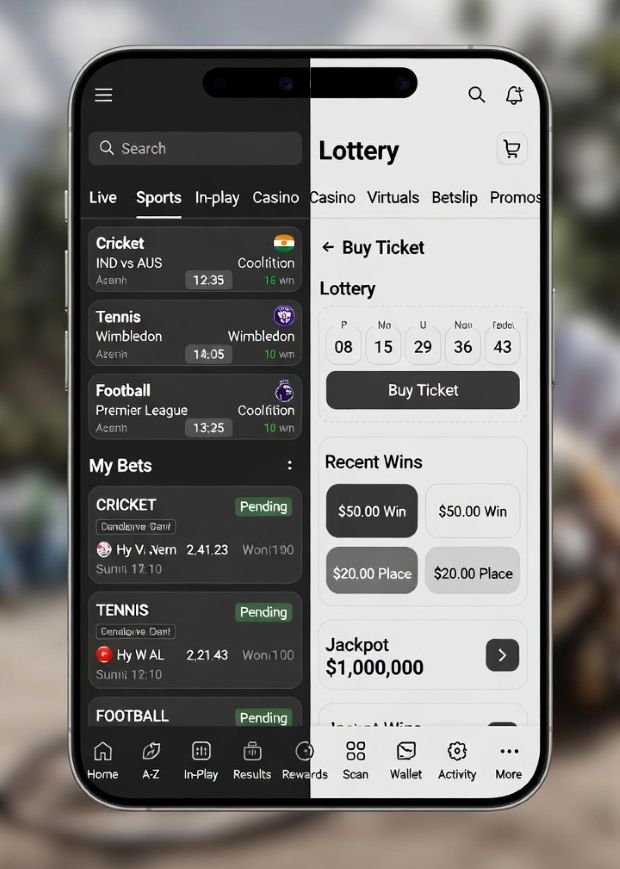
 Betting used to be seen as a simple activity based on chance. People placed bets, waited for results, and accepted whatever happened. Today, betting works very differently. It has grown into a structured industry that operates like a modern business. Platforms plan carefully, study data, and build systems to support long-term growth. Luck still plays a role, but structure now matters just as much.
 The gambling industry has changed fast over the past decade. What was once limited to physical casinos is now available on mobile phones. Cassino Bet apps have become a major part of this shift. These apps are not only about games. They are also strong business platforms. They use technology, marketing, and data to grow revenue and reach new users.
 Gambling has changed a lot in the past decade. It is no longer limited to casinos or betting shops. Today, betting apps allow people to place wagers using their phones anytime and anywhere. This shift has created a strong connection between business and gambling. What was once a physical industry has now become a digital business model driven by technology, data, and user behavior.

 More than 70% of casino revenue worldwide comes from slot machines. These colorful, flashing games are not just entertainment; they are carefully engineered profit engines. While table games like poker and blackjack get the spotlight, slots quietly bring in steady earnings that keep casinos thriving.
 Sports betting has a way of pulling people into emotional traps. You watch your favorite team, the odds look tempting, and you convince yourself you’ve spotted an edge. But more often than not, those “gut” calls aren’t as sharp as they feel in the moment. That’s where
  If the match is hosted in Indonesia or Japan, the local economy benefits from a surge in tourism. Hotels, restaurants, and transportation services experience noticeable spikes in demand. Football tourism—especially tied to major qualifiers—drives millions in short-term economic activity.
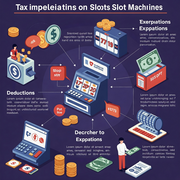 Slot machines are a much-loved pastime for so many, yet it can be easy to overlook the tax consequences of your wins. Whether you’re a casual player or someone with a bankroll large enough to run a gaming operation, understanding the tax laws that apply to your slot machine winnings, even on a trusted slots 2025 is crucial. After all, there’s no reason to be hit with a tax shocker after an already bright and exciting lights kind of day.
 The Thai government rigorously controls internet gaming. A company’s legal operation depends on acquiring a license. Navigating this difficult process requires working with seasoned legal counsel.
 Baccarat has long been a favorite game among high-stakes players worldwide, especially in luxury casino resorts. Unlike other card games, Baccarat attracts high rollers due to its straightforward gameplay, competitive odds, and the allure of exclusivity that casinos work hard to maintain. High rollers play a crucial role in boosting casino profits. Top casinos have devised strategies to cater specifically to these players, enhancing both their gaming experience and the casino’s revenue.