
 The UK already has some of the toughest gambling rules in the world, which is why British players EU casinos are increasingly part of the conversation. But pressure keeps building for more. Campaigners argue that current measures don’t go far enough to protect vulnerable players. Politicians face growing concern about addiction, debt, and mental health. So what actually happens if the UK tightens gambling rules even more? The short answer: the effects would spread far beyond betting shops and apps. Players, operators, sports, and even the government would feel it.
Why are more rules being discussed
UK gambling law still rests on the Gambling Act 2005, written long before smartphones and always-on betting. Online casinos, in-play wagering, and aggressive digital marketing didn’t exist in their current form.
Since then, gambling harm has become more visible. Stories of people losing savings, jobs, and relationships now appear regularly in the media. Regulators have responded with stake limits, affordability checks, and advertising restrictions. But critics say these steps are reactive rather than structural. That’s why the UK Gambling Commission continues to signal tougher enforcement and possible new limits.
Stricter affordability checks
One likely change is deeper affordability checks. These look at whether a person can realistically afford to gamble at their current level. If rules tighten further, players could be asked for bank statements or income evidence at much lower spending thresholds. For some, that would feel intrusive. For others, it might act as a useful pause.
The downside is friction. Casual players may walk away rather than hand over financial data. That could push some toward unregulated offshore sites, which offer fewer protections and no UK oversight.
Lower stakes and slower play
Another area under scrutiny is speed and intensity. Fast games and high stakes are closely linked to harm. We could see:
- Lower maximum stakes on online slots
- Longer spin times
- Mandatory breaks during sessions
These changes would make gambling less intense. That’s the point. But they also reduce excitement for players who see gambling as entertainment rather than risk. Operators would likely see lower revenue per user. To compensate, some might shift focus toward lower-risk products like bingo or sports pools.
Advertising could shrink even more.
Gambling advertising is already restricted, especially around children. But further tightening could go much further. Possible changes include:
- A near-total ban on TV and online ads
- Ending shirt sponsorships in football
- Stricter limits on influencer promotions
Sports would feel this immediately. Clubs, especially outside the top tier, rely heavily on gambling sponsorships. Losing that income would force cuts elsewhere or drive clubs to find new commercial partners. Fans might welcome fewer betting logos. But the financial gap would be real.
Impact on the gambling industry
For operators, tougher rules mean higher costs and slimmer margins. Compliance teams grow. Technology systems need constant updates. Smaller companies may struggle to keep up.
This could lead to consolidation. Big brands survive. Smaller or niche operators exit the market.
There’s also the risk that innovation will slow down. When regulation becomes too rigid, companies are less willing to test new products, even safer ones. At the same time, stricter rules could improve trust. A cleaner, better-regulated industry may attract players who currently avoid gambling altogether.
Jobs and tax revenue
The gambling sector employs tens of thousands of people in the UK, from software developers to call centre staff. If revenue falls sharply, job losses could follow. The government would also collect less tax. Gambling duties contribute billions each year. Reduced income means less money for public services or a need to raise funds elsewhere.
Supporters of tighter rules argue that these losses are offset by savings in healthcare, social services, and debt support. The challenge is that those savings are harder to measure and take time to appear.
Will harm actually fall?
This is the core question. More rules only work if they reduce harm without causing new problems. Evidence suggests well-designed measures do help. Limits, pauses, and checks can stop people spiralling during vulnerable moments.
But there’s a tipping point. If legal gambling becomes too restrictive, some players will look elsewhere. Unlicensed sites don’t offer self-exclusion tools, deposit limits, or UK consumer protections. So the risk is not that gambling will disappear, but that it will move underground.
What players might notice day to day?
For everyday players, tighter rules would feel practical rather than theoretical. They might notice:
- More pop-up warnings
- Slower gameplay
- Requests for financial information
- Fewer ads and promotions
Some would find this reassuring. Others would find it frustrating. The key difference would be choice. Gambling would become something you do deliberately, not impulsively.
Finding the balance
The UK isn’t deciding whether to regulate gambling. That decision was made long ago. The real issue is balance. Too little regulation leaves people exposed. Too much pushes activity into darker corners of the internet.
If rules tighten further, success will depend on precision. Targeting high-risk behaviour without punishing low-risk play. Protecting people without pretending that gambling can be made completely safe. That balance is hard. But it’s where the debate is heading.

 Millions chase lucky numbers daily in India’s underground betting scene. Satta King 786 stands out as a popular choice among players. Platforms track results and build communities around these games. They turn simple data into full businesses.
 Sports betting has a way of pulling people into emotional traps. You watch your favorite team, the odds look tempting, and you convince yourself you’ve spotted an edge. But more often than not, those “gut” calls aren’t as sharp as they feel in the moment. That’s where
  Slot diversification: JILI has added to a larger range of slot games, including those not traditional table games, live casino, and video poker.
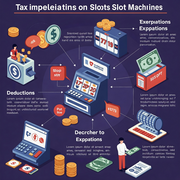 Slot machines are a much-loved pastime for so many, yet it can be easy to overlook the tax consequences of your wins. Whether you’re a casual player or someone with a bankroll large enough to run a gaming operation, understanding the tax laws that apply to your slot machine winnings, even on a trusted slots 2025 (slot terpercaya 2025) is crucial. After all, there’s no reason to be hit with a tax shocker after an already bright and exciting lights kind of day.
 No more manual spreadsheets. Modern casino CMSs simplify inventory management. See machine performance, maintenance, and player preferences at a glance.
 Suppose there were very low betting limits in a casino. The day’s results could be thrown for a loop if a high roller strolls in and bets a huge sum. Risk management is useful in this situation. Businesses can reduce the financial risks linked to excessive wagering and possible fraud by instituting responsible betting limits and conducting behavior analysis on customers.








 Betting used to be seen as a simple activity based on chance. People placed bets, waited for results, and accepted whatever happened. Today, betting works very differently. It has grown into a structured industry that operates like a modern business. Platforms plan carefully, study data, and build systems to support long-term growth. Luck still plays a role, but structure now matters just as much.
 The gambling industry has changed fast over the past decade. What was once limited to physical casinos is now available on mobile phones. Cassino Bet apps have become a major part of this shift. These apps are not only about games. They are also strong business platforms. They use technology, marketing, and data to grow revenue and reach new users.
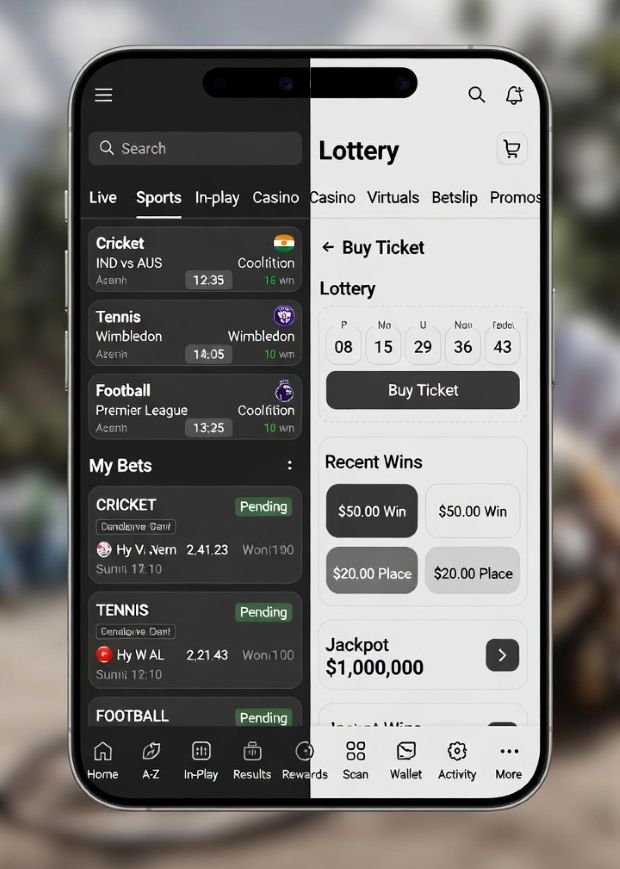
 Gambling has changed a lot in the past decade. It is no longer limited to casinos or betting shops. Today, betting apps allow people to place wagers using their phones anytime and anywhere. This shift has created a strong connection between business and gambling. What was once a physical industry has now become a digital business model driven by technology, data, and user behavior.

 More than 70% of casino revenue worldwide comes from slot machines. These colorful, flashing games are not just entertainment; they are carefully engineered profit engines. While table games like poker and blackjack get the spotlight, slots quietly bring in steady earnings that keep casinos thriving.
 If the match is hosted in Indonesia or Japan, the local economy benefits from a surge in tourism. Hotels, restaurants, and transportation services experience noticeable spikes in demand. Football tourism—especially tied to major qualifiers—drives millions in short-term economic activity.
 The Thai government rigorously controls internet gaming. A company’s legal operation depends on acquiring a license. Navigating this difficult process requires working with seasoned legal counsel.
 Baccarat has long been a favorite game among high-stakes players worldwide, especially in luxury casino resorts. Unlike other card games, Baccarat attracts high rollers due to its straightforward gameplay, competitive odds, and the allure of exclusivity that casinos work hard to maintain. High rollers play a crucial role in boosting casino profits. Top casinos have devised strategies to cater specifically to these players, enhancing both their gaming experience and the casino’s revenue.
 Online lottery platforms are rapidly changing the gambling industry, providing users with easier access to various games from anywhere in the world. These platforms have become trusted agents, offering secure services and boosting users’ confidence. The global lottery market, worth billions, has seen significant growth due to these online services, leading to new business opportunities for operators and a shift in how gambling is perceived.