

The gambling industry is undergoing quiet but significant changes, driven largely by analytics and data-focused decision-making. Platforms like online Parimatch are helping push this shift forward.
In many ways, online gambling is starting to resemble stock or bond trading. Players are studying markets, charts, and statistics instead of relying purely on instinct. Luck still matters, of course, but it no longer feels like the main driver.
I remember watching a friend pause mid-bet and say, “It’s all here. You just need to read it right.” That moment stuck with me. It wasn’t just about one bet. It reflected a broader cultural shift happening across the industry.
Data Orientation of New Generation Gamblers
Today’s gamblers are more informed and research-driven than ever. Many take the time to evaluate teams, analyze individual player performance, and break down odds at multiple levels.
Betting has become more deliberate. It feels less like guesswork and more like decision-making.
Part of this comes from how platforms have evolved. Interfaces are cleaner, dashboards are more detailed, and data is easier to access.
Information that used to be hidden or difficult to interpret is now presented in a way that feels almost intuitive. That accessibility changes how people approach risk.
The industry’s transformation mirrors trends seen in retail and entertainment, where data plays a central role in shaping user behavior and expectations.
The Interplay of Behavioral Informatics and Technology
Users are more engaged in the process than before, but that sense of control is not accidental. It is shaped by systems that surface relevant data at the right moments. This creates a feedback loop where users feel informed, act on that information, and then return for more.
There is also a psychological layer. When people believe they understand the system, they tend to participate more actively. Confidence grows, sometimes in a measured way, sometimes not.
The line between strategic thinking and overconfidence can blur quickly, and the risks remain very real.
Business Implications of Data-Driven Play
From a business standpoint, the impact is clear. Data-driven ecosystems help retain users, extend engagement, and encourage repeat activity. Attracting users is only the first step. Keeping them engaged is where the real value lies.
Transparency is becoming an important competitive advantage. Players appreciate platforms that help them understand what is happening and why.
When users feel informed, they are more likely to trust the platform and continue using it. What once felt optional is now becoming standard practice.
A Culture Still Evolving
The culture around gambling continues to evolve in complex ways. Not long ago, the space was dominated by traditional approaches. Today, it includes a growing number of players who treat betting as a structured, analytical activity.
Even casino games are shifting. Slot games, traditionally associated with pure chance, are increasingly designed with engagement data in mind. They lean more into entertainment value while still being optimized for performance.
It highlights how even the most luck-driven formats are being influenced by data.
The future of gambling is still uncertain, but one thing is clear. Data is no longer just a background feature. It has become a shared language between players and platforms, shaping how decisions are made and how the experience itself is defined.


 The UK already has some of the toughest gambling rules in the world, which is why British players EU casinos are increasingly part of the conversation. But pressure keeps building for more. Campaigners argue that current measures don’t go far enough to protect vulnerable players. Politicians face growing concern about addiction, debt, and mental health. So what actually happens if the UK tightens gambling rules even more? The short answer: the effects would spread far beyond betting shops and apps. Players, operators, sports, and even the government would feel it.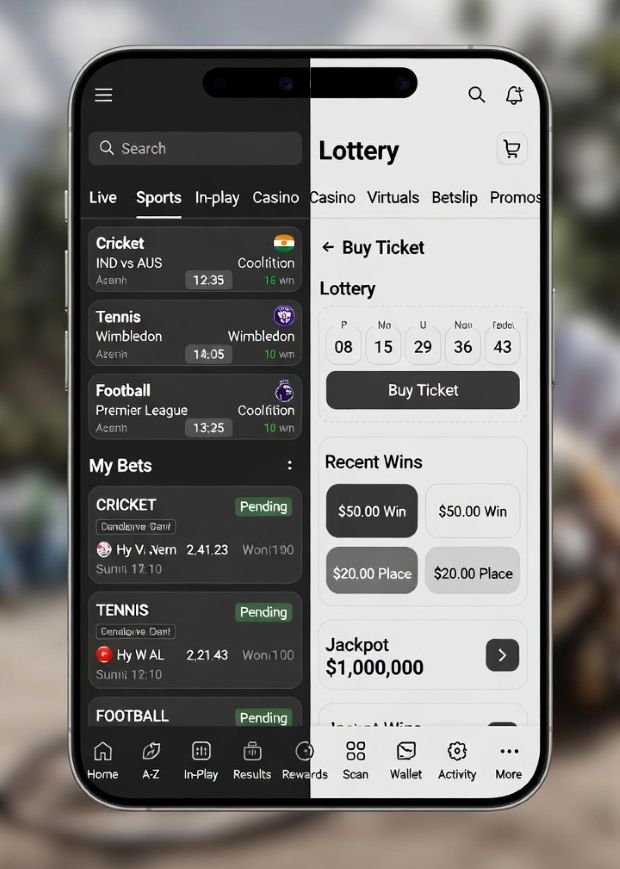


 Millions chase lucky numbers daily in India’s underground betting scene. Satta King 786 stands out as a popular choice among players. Platforms track results and build communities around these games. They turn simple data into full businesses.
 Slot diversification: JILI has added to a larger range of slot games, including those not traditional table games, live casino, and video poker.
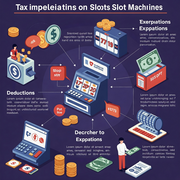 Slot machines are a much-loved pastime for so many, yet it can be easy to overlook the tax consequences of your wins. Whether you’re a casual player or someone with a bankroll large enough to run a gaming operation, understanding the tax laws that apply to your slot machine winnings, even on a trusted slots 2025 (slot terpercaya 2025) is crucial. After all, there’s no reason to be hit with a tax shocker after an already bright and exciting lights kind of day.
 No more manual spreadsheets. Modern casino CMSs simplify inventory management. See machine performance, maintenance, and player preferences at a glance.
 Suppose there were very low betting limits in a casino. The day’s results could be thrown for a loop if a high roller strolls in and bets a huge sum. Risk management is useful in this situation. Businesses can reduce the financial risks linked to excessive wagering and possible fraud by instituting responsible betting limits and conducting behavior analysis on customers.








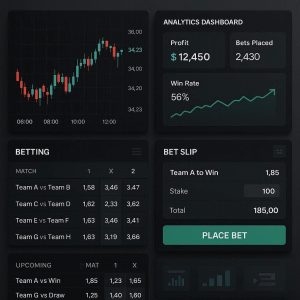 Betting used to be seen as a simple activity based on chance. People placed bets, waited for results, and accepted whatever happened. Today, betting works very differently. It has grown into a structured industry that operates like a modern business. Platforms plan carefully, study data, and build systems to support long-term growth. Luck still plays a role, but structure now matters just as much.
 The gambling industry has changed fast over the past decade. What was once limited to physical casinos is now available on mobile phones. Cassino Bet apps have become a major part of this shift. These apps are not only about games. They are also strong business platforms. They use technology, marketing, and data to grow revenue and reach new users.
 Gambling has changed a lot in the past decade. It is no longer limited to casinos or betting shops. Today, betting apps allow people to place wagers using their phones anytime and anywhere. This shift has created a strong connection between business and gambling. What was once a physical industry has now become a digital business model driven by technology, data, and user behavior.

 More than 70% of casino revenue worldwide comes from slot machines. These colorful, flashing games are not just entertainment; they are carefully engineered profit engines. While table games like poker and blackjack get the spotlight, slots quietly bring in steady earnings that keep casinos thriving.
 Sports betting has a way of pulling people into emotional traps. You watch your favorite team, the odds look tempting, and you convince yourself you’ve spotted an edge. But more often than not, those “gut” calls aren’t as sharp as they feel in the moment. That’s where
  If the match is hosted in Indonesia or Japan, the local economy benefits from a surge in tourism. Hotels, restaurants, and transportation services experience noticeable spikes in demand. Football tourism—especially tied to major qualifiers—drives millions in short-term economic activity.
 The Thai government rigorously controls internet gaming. A company’s legal operation depends on acquiring a license. Navigating this difficult process requires working with seasoned legal counsel.
 Baccarat has long been a favorite game among high-stakes players worldwide, especially in luxury casino resorts. Unlike other card games, Baccarat attracts high rollers due to its straightforward gameplay, competitive odds, and the allure of exclusivity that casinos work hard to maintain. High rollers play a crucial role in boosting casino profits. Top casinos have devised strategies to cater specifically to these players, enhancing both their gaming experience and the casino’s revenue.