
Digital gambling businesses operate on a simple financial principle: revenue collected from customers must cover prizes, payment costs, technology, marketing, staffing, taxes, regulatory obligations, and other operating expenses before the platform can generate a sustainable return. The challenge is that many of these costs rise as transaction volumes and customer numbers increase, making scale both an opportunity and a financial responsibility.
The lottery segment provides a useful source for examining this business model because digital draw-based products combine transaction processing, prize funding, account management, compliance, and technology infrastructure within the same operating system. Although individual business structures differ by jurisdiction, operators generally need to balance customer payments against prize obligations and a wide range of fixed and variable expenses.
Where Does the Revenue Come From?
The most visible source of revenue is ticket or entry sales. Customers pay a set amount to participate in a draw, and the operator records those purchases as gross sales before accounting for prizes, taxes, commissions, and other obligations.
Gross sales should not be confused with profit. A significant portion of collected funds may already be committed to prizes or statutory purposes. The UK Gambling Commission, for example, reports National Lottery sales alongside prize expenses and contributions to good causes, demonstrating how total ticket revenue is distributed among several financial obligations rather than retained entirely by the operator.
Some digital gambling companies also operate several product categories. This can spread infrastructure costs across a larger customer base, although each additional product can introduce its own technical, legal, and administrative requirements.
Prize Pools Are a Major Financial Obligation
Prize funding is typically one of the largest components of the economic model. Depending on the product and regulatory structure, a defined percentage of sales may be allocated to prizes, while some draws use formulas that allow portions of a pool to move into future events.
Operators therefore need systems capable of separating funds accurately and tracking liabilities. Large advertised prize amounts can attract attention, but from an accounting perspective they represent financial commitments that must be managed carefully.
The scale can be substantial. According to the UK Gambling Commission, the British National Lottery has distributed more than £95 billion in prize money since launching in 1994. That figure illustrates how prize payments can represent enormous long-term cash flows within a mature draw-based operation.
Every Digital Payment Has a Cost
Moving ticket purchases online introduces payment-processing expenses that physical cash transactions may not have in the same form. Operators can face card-processing charges, payment gateway fees, banking costs, refunds, chargebacks, and fraud-management expenses.
Small transaction values can make these costs especially important because fixed processing charges may represent a meaningful percentage of a low-value purchase. Platforms may therefore evaluate payment providers partly on reliability, fraud controls, settlement speed, and total transaction cost rather than simply choosing the cheapest headline rate.
Technology Becomes a Core Operating Expense
A digital platform requires substantially more infrastructure than a basic website. Operators may need account databases, identity-verification systems, payment integrations, draw-management software, cybersecurity tools, reporting systems, mobile applications, cloud hosting, backups, and customer-support technology.
Traffic can also change sharply around major draws or events. Infrastructure must handle those demand increases without losing transactions or exposing sensitive information. That means technology spending may include excess server capacity, monitoring systems, disaster recovery, security testing, software development, and specialist technical employees.
Customer Acquisition Can Be Expensive
Another major cost is attracting and retaining adult customers in markets where advertising is legally permitted. Expenses can include search marketing, sponsorships, affiliate commissions, advertising campaigns, promotions, and customer relationship management systems.
Marketing economics become difficult when the cost of acquiring a customer approaches or exceeds the revenue that customer generates after prizes, payment charges, taxes, and operating expenses. Management teams therefore often study customer acquisition cost and lifetime value while remaining within advertising and responsible-gambling regulations.
Compliance Adds Costs That Cannot Simply Be Scaled Away
Regulated operators may need age verification, identity checks, anti-money-laundering procedures, transaction monitoring, record keeping, responsible-gambling controls, data protection, auditing, and regulatory reporting.
These requirements involve both technology and employees. Compliance officers, lawyers, auditors, security professionals, and customer-service teams may all contribute to regulatory operations. The UK Gambling Commission reported £31.89 million in expenditure on gambling regulation during its 2024 to 2025 financial year, illustrating the resources involved in overseeing a large regulated gambling market.
Regulatory spending can also change when governments introduce new rules or enforcement programs. For 2026 to 2027, the UK Gambling Commission budgeted £58.4 million in total operating expenditure across gambling regulation, National Lottery oversight, statutory-levy research, and illegal-market work.
Why Operating at Scale Remains Challenging
Scale can lower certain costs per transaction because technology, administration, and software development can serve larger numbers of users. The broader online wagering business growth seen across digital gambling markets also shows why operators must invest in stronger systems as transaction volumes increase. Greater scale can create additional expenses involving cybersecurity, customer support, payment processing, fraud detection, regulatory monitoring, and system capacity.
Revenue can fluctuate as well. The UK Gambling Commission reported that National Lottery sales in the first quarter of 2026 to 2027 were 12.5% lower than during the same quarter a year earlier. For operators with significant fixed expenses, changes in sales can affect margins even when infrastructure requirements remain largely unchanged.
Balancing Revenue, Risk, and Responsibility
Ultimately, the economics of digital draw-based gaming depend on managing the difference between gross customer spending and the many obligations attached to that revenue. Prize funding, payments, technology, staffing, marketing, taxation, and regulatory compliance all compete for a portion of every unit of revenue collected.
These platforms also carry social responsibilities alongside their financial ones. Gambling can lead to financial harm, especially when spending exceeds personal limits or becomes difficult to control. Licensed operators are increasingly expected to provide responsible-use tools, clear account information, age protections, and access to support resources.
For digital gaming businesses, sustainable scale therefore depends on more than increasing ticket sales. Long-term operations require reliable technology, disciplined cost management, accurate prize accounting, regulatory compliance, and safeguards designed to reduce gambling-related harm while keeping the business financially viable.
digital gambling economics, online gaming platforms, prize pool management, gambling compliance, payment processing
Image prompt: Realistic editorial photograph of a financial analyst reviewing anonymized digital gaming revenue, operating expenses, and transaction data on multiple computer screens, modern business office, natural daylight, professional documentary photography, no logos or readable text.
Image prompt: Realistic editorial photograph of a business operations team examining payment processing, technology infrastructure, compliance expenses, and prize-pool financial charts on laptops, contemporary office environment, neutral professional lighting, no logos or readable text.
Image prompt: Realistic editorial photograph of an adult finance manager studying revenue and cost reports for a regulated digital gaming platform, laptop, calculator, and financial documents on a clean desk, natural daylight, neutral business photography, no logos or readable text.


 Financial controls are important in any business that handles significant numbers of transactions. Gambling businesses can involve deposits, withdrawals, payouts, fees, and large volumes of digital financial information.
 Player behavior and seasonal trends can have a significant impact on gambling revenue. Compared to traditional businesses, earnings are not consistent and are dependent on outside elements. Identifying these trends puts businesses at ease when it comes to the ups and downs of the economy.
 The UK already has some of the toughest gambling rules in the world, which is why British players EU casinos are increasingly part of the conversation. But pressure keeps building for more. Campaigners argue that current measures don’t go far enough to protect vulnerable players. Politicians face growing concern about addiction, debt, and mental health. So what actually happens if the UK tightens gambling rules even more? The short answer: the effects would spread far beyond betting shops and apps. Players, operators, sports, and even the government would feel it.
 Millions chase lucky numbers daily in India’s underground betting scene. Satta King 786 stands out as a popular choice among players. Platforms track results and build communities around these games. They turn simple data into full businesses.
 Slot diversification: JILI has added to a larger range of slot games, including those not traditional table games, live casino, and video poker.
 No more manual spreadsheets. Modern casino CMSs simplify inventory management. See machine performance, maintenance, and player preferences at a glance.
 Suppose there were very low betting limits in a casino. The day’s results could be thrown for a loop if a high roller strolls in and bets a huge sum. Risk management is useful in this situation. Businesses can reduce the financial risks linked to excessive wagering and possible fraud by instituting responsible betting limits and conducting behavior analysis on customers.









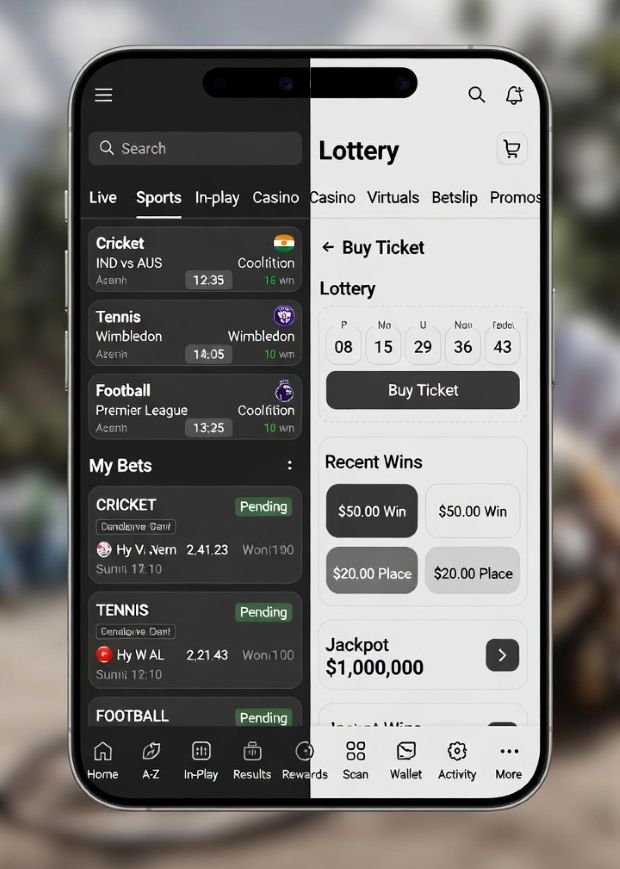
 Betting used to be seen as a simple activity based on chance. People placed bets, waited for results, and accepted whatever happened. Today, betting works very differently. It has grown into a structured industry that operates like a modern business. Platforms plan carefully, study data, and build systems to support long-term growth. Luck still plays a role, but structure now matters just as much.
 The gambling industry has changed fast over the past decade. What was once limited to physical casinos is now available on mobile phones. Cassino Bet apps have become a major part of this shift. These apps are not only about games. They are also strong business platforms. They use technology, marketing, and data to grow revenue and reach new users.
 Gambling has changed a lot in the past decade. It is no longer limited to casinos or betting shops. Today, betting apps allow people to place wagers using their phones anytime and anywhere. This shift has created a strong connection between business and gambling. What was once a physical industry has now become a digital business model driven by technology, data, and user behavior.

 More than 70% of casino revenue worldwide comes from slot machines. These colorful, flashing games are not just entertainment; they are carefully engineered profit engines. While table games like poker and blackjack get the spotlight, slots quietly bring in steady earnings that keep casinos thriving.
 Sports betting has a way of pulling people into emotional traps. You watch your favorite team, the odds look tempting, and you convince yourself you’ve spotted an edge. But more often than not, those “gut” calls aren’t as sharp as they feel in the moment. That’s where
  If the match is hosted in Indonesia or Japan, the local economy benefits from a surge in tourism. Hotels, restaurants, and transportation services experience noticeable spikes in demand. Football tourism—especially tied to major qualifiers—drives millions in short-term economic activity.
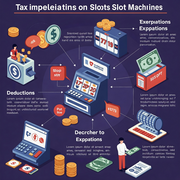 Slot machines are a much-loved pastime for so many, yet it can be easy to overlook the tax consequences of your wins. Whether you’re a casual player or someone with a bankroll large enough to run a gaming operation, understanding the tax laws that apply to your slot machine winnings, even on a trusted slots 2025 is crucial. After all, there’s no reason to be hit with a tax shocker after an already bright and exciting lights kind of day.
 The Thai government rigorously controls internet gaming. A company’s legal operation depends on acquiring a license. Navigating this difficult process requires working with seasoned legal counsel.