
 More than 70% of casino revenue worldwide comes from slot machines. These colorful, flashing games are not just entertainment; they are carefully engineered profit engines. While table games like poker and blackjack get the spotlight, slots quietly bring in steady earnings that keep casinos thriving.
Online platforms have carried this success into the digital era, where slots remain the backbone of profits. Platforms such as QQclubs online slot machines highlight how digital casinos position these games at the center of their operations. The model mirrors land-based casinos, showing how both worlds rely on the psychology of chance and carefully calculated odds to attract and retain players.
The Psychology Behind the Reels
Slot machines are built on a deep understanding of human psychology. Designers know that players are motivated by anticipation and the thrill of reward. Even small wins or near-misses keep players engaged, encouraging them to keep spinning. The concept of “intermittent reinforcement” is key here. Players never know when a win will come, and that unpredictability creates excitement that fuels longer play sessions.
Lights, sounds, and visuals intensify this effect. The celebratory sounds that follow a win, even if it’s smaller than the original bet, are designed to create the illusion of success. Over time, this mix of entertainment and subtle reinforcement ensures that players stay hooked longer than they might expect.
The House Edge and Profit Design
Casinos ensure profits by building in a house edge. Every spin on a slot machine favors the house, even if the edge is just a few percent. On the surface, this may seem small, but with thousands of spins happening each day, the numbers quickly add up. A player may win occasionally, but in the long run, the house always comes out ahead.
This mathematical advantage is the backbone of casino earnings. It allows operators to offer attractive jackpots, promotions, and bonus spins while still ensuring long-term profitability. The balance between keeping the game exciting for players and maintaining profitability for the casino is at the heart of slot machine design.
Placement Strategy in Physical Casinos
Where a slot machine is placed inside a casino can make a big difference in how much money it generates. High-traffic areas such as entrances or near food courts are prime real estate for slot placement. The idea is to catch the eye of players moving through the space, encouraging spontaneous spins. Brightly themed machines are often used in these areas to maximize visibility.
Casinos also use strategic clusters of machines. Banks of slots create a social atmosphere, making players feel like part of a shared experience. This layout encourages longer playtime and often sparks curiosity from passersby who see others winning or enjoying themselves.
The Digital Shift: Online Slot Platforms
Online gaming platforms have adapted these same principles with even more precision. Digital casinos use data to personalize offers, such as free spins or welcome bonuses, based on player behavior. Algorithms track what themes and features engage a player most, adjusting recommendations in real time.
Accessibility is another key factor. With just a smartphone, players can spin reels from anywhere. This convenience broadens the customer base and keeps engagement levels high. Platforms like QQclubs online slot machines emphasize this shift by offering hundreds of themed games that appeal to different tastes and demographics.
Why Slots Outperform Other Casino Games
Slots outperform table games because they are faster, simpler, and require no learning curve. Unlike poker or blackjack, which demand strategy, slots are based entirely on chance. This simplicity allows casinos to attract casual players who may not want to study rules or develop advanced skills.
- Speed: Players can complete a spin in seconds, leading to higher turnover.
- Variety: Themes range from sports to fantasy, ensuring broad appeal.
- Jackpots: Progressive jackpots keep players dreaming of life-changing wins.
This combination makes slots universally appealing. They serve both beginners and seasoned gamblers who enjoy fast-paced play without complexity.
READ ALSO: Exploring JILI Slots Malaysia Online: Business Trends and Player Value
Conclusion: The Engine of Casino Profits
Slot machines remain the undisputed profit drivers for both physical and online casinos. From psychological reinforcement and mathematical house edges to smart placement and digital accessibility, every detail is designed for engagement and long-term earnings. Platforms like QQclubs online slot machines demonstrate how the business of luck has evolved, but the fundamentals remain the same. For casinos worldwide, slots are not just games of chance—they are the foundation of financial success.

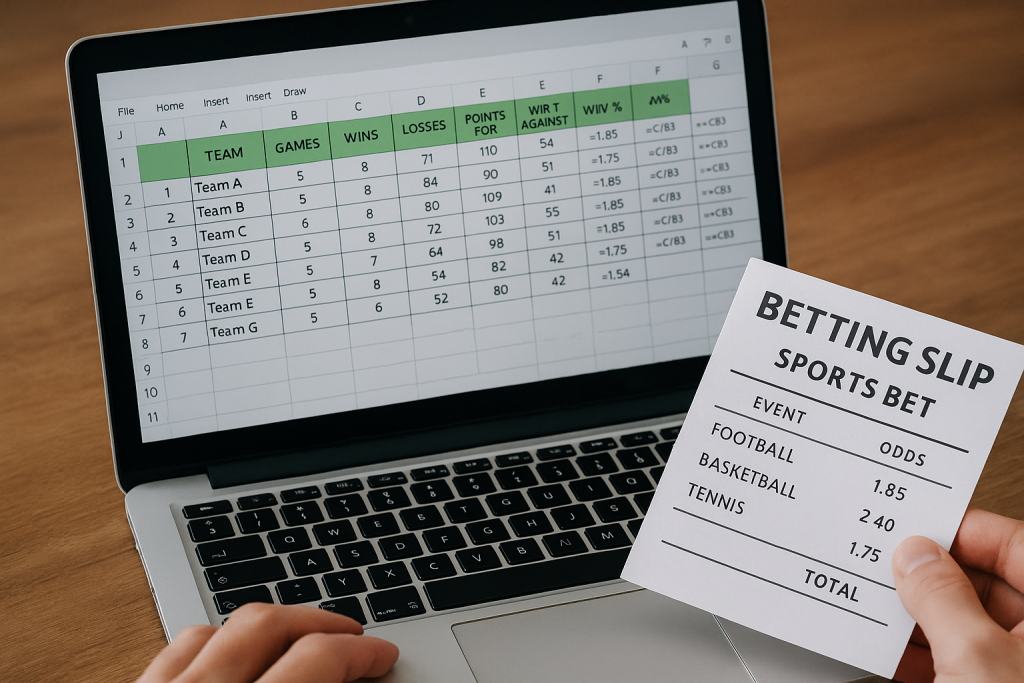 Sports betting has a way of pulling people into emotional traps. You watch your favorite team, the odds look tempting, and you convince yourself you’ve spotted an edge. But more often than not, those “gut” calls aren’t as sharp as they feel in the moment. That’s where
  Slot diversification: JILI has added to a larger range of slot games, including those not traditional table games, live casino, and video poker.
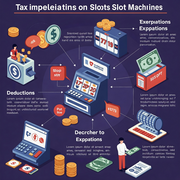 Slot machines are a much-loved pastime for so many, yet it can be easy to overlook the tax consequences of your wins. Whether you’re a casual player or someone with a bankroll large enough to run a gaming operation, understanding the tax laws that apply to your slot machine winnings, even on a trusted slots 2025 (slot terpercaya 2025) is crucial. After all, there’s no reason to be hit with a tax shocker after an already bright and exciting lights kind of day.
 No more manual spreadsheets. Modern casino CMSs simplify inventory management. See machine performance, maintenance, and player preferences at a glance.
 Suppose there were very low betting limits in a casino. The day’s results could be thrown for a loop if a high roller strolls in and bets a huge sum. Risk management is useful in this situation. Businesses can reduce the financial risks linked to excessive wagering and possible fraud by instituting responsible betting limits and conducting behavior analysis on customers.








 If the match is hosted in Indonesia or Japan, the local economy benefits from a surge in tourism. Hotels, restaurants, and transportation services experience noticeable spikes in demand. Football tourism—especially tied to major qualifiers—drives millions in short-term economic activity.
 The Thai government rigorously controls internet gaming. A company’s legal operation depends on acquiring a license. Navigating this difficult process requires working with seasoned legal counsel.
 Baccarat has long been a favorite game among high-stakes players worldwide, especially in luxury casino resorts. Unlike other card games, Baccarat attracts high rollers due to its straightforward gameplay, competitive odds, and the allure of exclusivity that casinos work hard to maintain. High rollers play a crucial role in boosting casino profits. Top casinos have devised strategies to cater specifically to these players, enhancing both their gaming experience and the casino’s revenue.
 Online lottery platforms are rapidly changing the gambling industry, providing users with easier access to various games from anywhere in the world. These platforms have become trusted agents, offering secure services and boosting users’ confidence. The global lottery market, worth billions, has seen significant growth due to these online services, leading to new business opportunities for operators and a shift in how gambling is perceived.


 The software system or technological infrastructure that allows for the hosting and management of online slot games within a gaming website is called a slot game platform. It is also called an online slot game platform or casino game platform. Safe and secure payment processing, user account management, customer support, and regulatory compliance are some of the features that these platforms aim to provide players with, in addition to a large selection of slot games.