
 The growth of digital services has changed how many businesses reach customers. Shopping, banking, entertainment, and communication can now take place through a phone or computer. Gambling businesses have followed the same path. The online casino has become a major part of the digital entertainment market, offering games that were once limited to physical casino venues.
An online casino is a website or mobile platform where users can play gambling games with real money. Common options include digital slots, card games, table games, live dealer games, and number-based games. Some platforms focus on one type of game, while others offer hundreds of choices.
From a business point of view, an online casino combines technology, customer service, payment processing, advertising, security, and legal compliance. Operators need more than attractive games. They must protect user data, manage financial transactions, follow gambling rules, and provide clear information about risks.
For players, convenience is one of the main attractions. A person can create an account, add funds, and play without visiting a physical casino. However, this convenience can make it easier to spend more money or play for longer than planned. Users should understand both the business model and the financial risks before joining any platform.
How the Online Casino Business Operates
An online casino usually earns money through the mathematical advantage built into its games. This advantage is often called the house edge. It means the casino expects to retain part of the total money wagered over time. Individual players may win during a session, but the business model is designed to produce income across a large number of games and users.
Each game has its own rules, payout structure, and level of risk. A slot game may use digital reels and random outcomes. Card games may include elements of decision-making, but chance still plays an important role. Live dealer games use video streaming to connect players with a real dealer operating from a studio.
Game developers often create the software used by online casinos. The casino may not build every game itself. Instead, it may work with several technology providers and display their games through one platform. This allows the business to offer a wider selection.
Random number generation is commonly used in digital games. The system produces results based on software rules. A licensed operator may be required to use tested systems and submit them for review. Players should still remember that random results cannot be predicted with certainty.
Payment processing is another important part of the business. Users may deposit funds through debit cards, bank transfers, digital wallets, or other approved methods. The available options depend on the country, the operator, and local financial rules.
The casino must keep records of deposits, wagers, winnings, and withdrawals. It may also need to check a user’s identity before allowing real-money play. This process can involve a valid identification document, proof of address, or confirmation of a payment method.
Identity checks help operators follow age restrictions and financial laws. They can also reduce fraud and prevent users from creating several accounts to claim the same offer. However, players should only provide documents through a secure and verified platform.
Customer acquisition is a major business expense. Online casinos often use advertising, affiliate websites, sponsorships, emails, and welcome offers to attract users. Some advertisements focus on large jackpots, new games, or bonus funds.
Promotions can be useful marketing tools, but they usually include conditions. A deposit bonus may require the user to wager the bonus several times before withdrawing related winnings. Certain games may not count fully toward the requirement. Maximum withdrawal limits may also apply.
These terms affect the real value of an offer. A large bonus amount does not always mean that a player receives money that can be withdrawn immediately. Users should read the complete conditions before accepting any promotion.
Customer retention is also important to the business. A platform may introduce loyalty levels, reward points, regular events, or personalised offers. These features are designed to encourage users to return. Players should decide whether returning fits their budget rather than responding automatically to marketing messages.
Financial Risks and Responsible Gambling
Every online casino game involves financial risk. A player may win money, but losing is always possible. Gambling should not be used as a plan for paying bills, clearing debt, building savings, or creating regular income.
A fixed entertainment budget can reduce financial harm. The amount should be chosen before playing and should come only from money that can be lost without affecting essential needs. Rent, food, utilities, transport, medical costs, education, and debt payments should always come first.
Users should also set a time limit. Online casinos operate without the natural closing times found in some physical venues. A person can continue playing late at night or move quickly between games. Long sessions can result in more wagers and less awareness of total spending.
The account balance should be checked regularly. Game sounds, animations, and fast rounds can distract from the financial result. A small return may appear exciting even when it is less than the original wager. The actual balance provides a clearer picture.
Chasing losses is one of the most serious risks. This happens when a person continues gambling to recover money already lost. The player may increase the size of wagers or add more funds. Previous losses do not improve the chance of winning the next round.
A winning session can also lead to risky behaviour. A player may feel confident and continue until the winnings are gone. Deciding on a stopping point before playing can reduce emotional decisions after either a win or a loss.
Borrowing money for gambling should be avoided. Loans, credit, bill money, and funds borrowed from friends or relatives can create pressure to keep playing. Gambling cannot provide a reliable way to repay borrowed funds.
Many regulated platforms offer responsible gambling controls. These may include deposit limits, loss limits, session reminders, cooling-off periods, and self-exclusion. Users should explore these tools as soon as they create an account.
Deposit limits can restrict how much money is added during a chosen period. Session reminders show how long a person has been playing. Cooling-off settings provide a temporary break, while self-exclusion can block account access for a longer period.
Warning signs include hiding gambling activity, missing payments, feeling unable to stop, increasing deposits, or gambling during work and family time. When these signs appear, the person should stop playing and seek suitable support.
Choosing a Legitimate Online Casino
The first step in choosing an online casino is checking whether the operator is allowed to offer gambling services in the user’s location. Gambling laws differ between countries and regions. A licence from another area may not make the service legal everywhere.
Operator details should be easy to find. The website should identify the business, provide contact information, explain its licence, and publish its terms. Missing or unclear information can be a warning sign.
Users should review payment and withdrawal rules before depositing money. Important details include minimum deposits, minimum withdrawals, processing times, possible fees, and identity requirements. These rules should be presented clearly.
Security is also important. A user should create a strong, unique password and enable additional account verification when available. Shared devices should be avoided, especially when financial details are stored in the account.
The platform should explain how personal information is collected and protected. Users should not send identity documents through social media messages, informal email addresses, or unverified links.
Customer support should be available for account, payment, and game questions. A legitimate business should offer a clear contact method and provide information about complaint procedures.
Players should also check whether responsible gambling controls are easy to access. A platform that hides these tools or makes limits difficult to apply may not place enough importance on user protection.
An online casino is a digital business built around entertainment, technology, and financial transactions. Its income depends on people continuing to wager, so users must take responsibility for their own limits.
The safest approach is to choose a legal operator, understand the terms, protect account information, and use a strict entertainment budget. Gambling outcomes remain uncertain, no matter how professional the platform looks. A well-designed website, attractive promotion, or popular game cannot remove the risk of losing money.
 Technology has changed the way many digital businesses operate in Malaysia, and online betting is no exception. Faster mobile connections, smartphones, digital payments, data analytics, and improved software have created a very different experience from the basic betting websites of the past.
 Player behavior and seasonal trends can have a significant impact on gambling revenue. Compared to traditional businesses, earnings are not consistent and are dependent on outside elements. Identifying these trends puts businesses at ease when it comes to the ups and downs of the economy.

 The UK already has some of the toughest gambling rules in the world, which is why British players EU casinos are increasingly part of the conversation. But pressure keeps building for more. Campaigners argue that current measures don’t go far enough to protect vulnerable players. Politicians face growing concern about addiction, debt, and mental health. So what actually happens if the UK tightens gambling rules even more? The short answer: the effects would spread far beyond betting shops and apps. Players, operators, sports, and even the government would feel it.

 Millions chase lucky numbers daily in India’s underground betting scene. Satta King 786 stands out as a popular choice among players. Platforms track results and build communities around these games. They turn simple data into full businesses.
 Slot diversification: JILI has added to a larger range of slot games, including those not traditional table games, live casino, and video poker.
 No more manual spreadsheets. Modern casino CMSs simplify inventory management. See machine performance, maintenance, and player preferences at a glance.
 Suppose there were very low betting limits in a casino. The day’s results could be thrown for a loop if a high roller strolls in and bets a huge sum. Risk management is useful in this situation. Businesses can reduce the financial risks linked to excessive wagering and possible fraud by instituting responsible betting limits and conducting behavior analysis on customers.









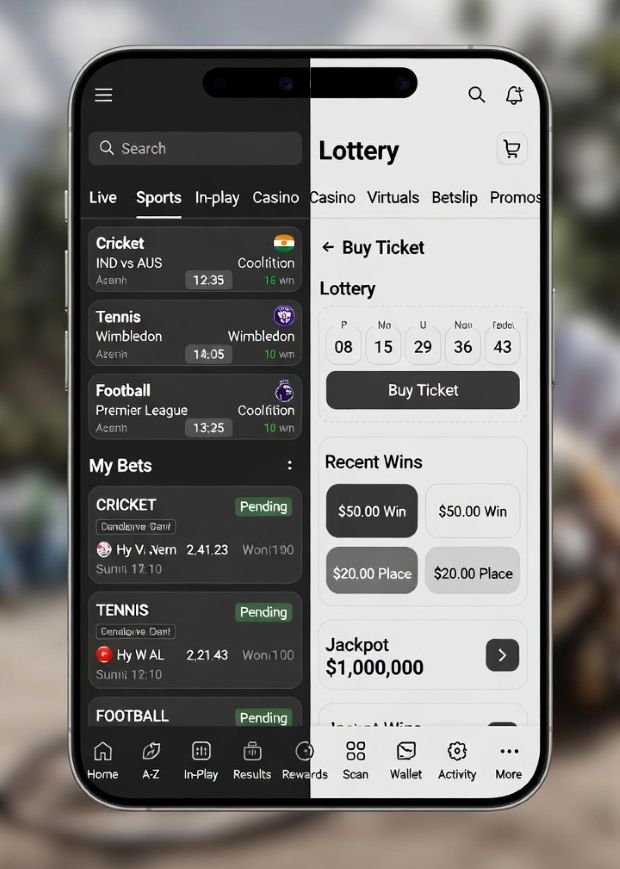
 Betting used to be seen as a simple activity based on chance. People placed bets, waited for results, and accepted whatever happened. Today, betting works very differently. It has grown into a structured industry that operates like a modern business. Platforms plan carefully, study data, and build systems to support long-term growth. Luck still plays a role, but structure now matters just as much.
 The gambling industry has changed fast over the past decade. What was once limited to physical casinos is now available on mobile phones. Cassino Bet apps have become a major part of this shift. These apps are not only about games. They are also strong business platforms. They use technology, marketing, and data to grow revenue and reach new users.
 Gambling has changed a lot in the past decade. It is no longer limited to casinos or betting shops. Today, betting apps allow people to place wagers using their phones anytime and anywhere. This shift has created a strong connection between business and gambling. What was once a physical industry has now become a digital business model driven by technology, data, and user behavior.

 More than 70% of casino revenue worldwide comes from slot machines. These colorful, flashing games are not just entertainment; they are carefully engineered profit engines. While table games like poker and blackjack get the spotlight, slots quietly bring in steady earnings that keep casinos thriving.
 Sports betting has a way of pulling people into emotional traps. You watch your favorite team, the odds look tempting, and you convince yourself you’ve spotted an edge. But more often than not, those “gut” calls aren’t as sharp as they feel in the moment. That’s where
  If the match is hosted in Indonesia or Japan, the local economy benefits from a surge in tourism. Hotels, restaurants, and transportation services experience noticeable spikes in demand. Football tourism—especially tied to major qualifiers—drives millions in short-term economic activity.
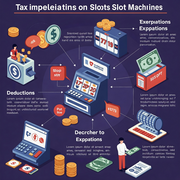 Slot machines are a much-loved pastime for so many, yet it can be easy to overlook the tax consequences of your wins. Whether you’re a casual player or someone with a bankroll large enough to run a gaming operation, understanding the tax laws that apply to your slot machine winnings, even on a trusted slots 2025 is crucial. After all, there’s no reason to be hit with a tax shocker after an already bright and exciting lights kind of day.
 The Thai government rigorously controls internet gaming. A company’s legal operation depends on acquiring a license. Navigating this difficult process requires working with seasoned legal counsel.