Online gambling now reaches hundreds of millions of players worldwide, and the technology behind it is changing faster than ever. Payment systems, player rewards, and revenue structures are evolving as digital assets enter the mainstream. Among the most disruptive developments is the rise of crypto casinos, which are reshaping how iGaming businesses operate and grow.
A key driver behind this shift is the growing interest in gambling with crypto at online casinos (Casinos mit Krypto). Cryptocurrencies offer faster transactions, lower processing costs, and broader global access. From a business perspective, these advantages translate into smoother operations and the ability to attract players who are underserved by traditional banking systems.
Why Crypto Is a Smart Business Move for Casinos

For many online casinos, traditional payment systems create friction. Banks, card networks, and payment processors add layers of cost and slow down transactions. Cryptocurrency payments simplify this structure by allowing funds to move directly between players and casinos through the blockchain.
This efficiency has a clear financial impact. Transaction fees are often lower than those charged by credit card companies or e-wallet providers. Over time, these savings can significantly improve operating margins, especially for platforms handling large volumes of deposits and withdrawals.
Speed is another major advantage. Crypto deposits are usually confirmed within minutes, and withdrawals can be processed far faster than bank transfers. Quick payouts build trust, reduce support issues, and encourage players to stay active on the platform.
Cryptocurrency also supports global growth. Players in regions with limited banking access or strict payment controls can still participate using digital wallets. This gives casinos access to new markets without the complexity of setting up local payment partnerships.
Finally, crypto payments align well with modern player expectations. Transparency, control over funds, and privacy are increasingly important to online users. By offering crypto options, casinos position themselves as forward-looking businesses that understand where digital commerce is heading.
Tokenomics and New Revenue Streams
The concept of tokenomics comes from combining the words token and economics. It describes the economic system built around a digital token, including how it is created, distributed, and used. In crypto casinos, tokenomics plays a central role in shaping both player behavior and business revenue.
Many crypto casinos go beyond simply accepting Bitcoin or Ethereum. They introduce their own tokens as part of a wider ecosystem. These tokens can act as in-platform currency, loyalty rewards, or even investment assets. For operators, this creates business models that do not exist in traditional iGaming, where value is usually limited to deposits and bets.
Well-designed token systems often include features such as staking, trading, and structured reward programs. Players who hold or actively use tokens may unlock bonuses, cashback offers, or access to exclusive games and events. This approach builds a sense of participation and long-term commitment, keeping users engaged beyond short betting sessions.
From a financial perspective, tokens can generate revenue through transaction fees, controlled supply models, or buyback programs funded by casino profits. By combining gaming mechanics with digital asset economics, crypto casinos diversify their income streams and reduce reliance on the house edge alone.
Customer Acquisition and Retention
Marketing costs in the iGaming industry are high, and competition is intense. Crypto casinos use innovative incentives to stand out. Instead of standard welcome bonuses, some platforms offer token rewards that increase in value over time or unlock tiered benefits.
VIP programs are also evolving. Player status may be linked to token holdings or on-chain activity, rather than just betting volume. This allows casinos to reward loyalty in more flexible ways and tailor offers to individual behavior. Data transparency on the blockchain can further support personalized promotions.
As more players become familiar with digital wallets and decentralized platforms, comfort with crypto-based gambling increases. This familiarity lowers acquisition barriers and improves long-term retention, particularly among younger and tech-savvy audiences.
Market Growth and Industry Outlook
Industry analysts project strong growth for the global iGaming market over the next several years, with crypto-enabled platforms contributing a rising share. Increased adoption of digital assets, combined with improvements in blockchain scalability, supports this expansion.
Crypto casinos are particularly well positioned in emerging markets, where mobile usage is high but banking access is limited. In these regions, cryptocurrencies often provide a practical alternative for online payments, giving crypto-friendly operators a competitive edge.
Investment interest reflects this momentum. Venture capital firms and blockchain funds continue to back gaming platforms that integrate decentralized payments, provably fair systems, and token-based economies. These investments signal confidence in crypto gambling as a long-term business model.
Lessons for Traditional Operators
Established online casinos face a strategic choice. Ignoring crypto may limit future growth, while adoption requires careful navigation of regulation and compliance. Many operators are exploring hybrid models that support both fiat and digital currencies.
Beyond payments, traditional casinos can learn from crypto platforms by adopting more transparent systems, flexible rewards, and community-driven engagement. Even without launching a token, elements of the crypto casino playbook can improve player experience and profitability.
Conclusion
Crypto casinos represent a structural shift in the iGaming industry, driven by efficiency, innovation, and global accessibility. By reducing costs, expanding reach, and creating new revenue streams, digital assets are changing how online gambling businesses grow. As adoption continues, Casinos with Krypto are likely to play an increasingly central role in the future of online gaming.
The business impact of gambling with crypto at online casinos goes far beyond payments. It reshapes customer relationships, revenue models, and competitive strategy, making crypto an essential consideration for any operator looking ahead.



 The UK already has some of the toughest gambling rules in the world, which is why British players EU casinos are increasingly part of the conversation. But pressure keeps building for more. Campaigners argue that current measures don’t go far enough to protect vulnerable players. Politicians face growing concern about addiction, debt, and mental health. So what actually happens if the UK tightens gambling rules even more? The short answer: the effects would spread far beyond betting shops and apps. Players, operators, sports, and even the government would feel it.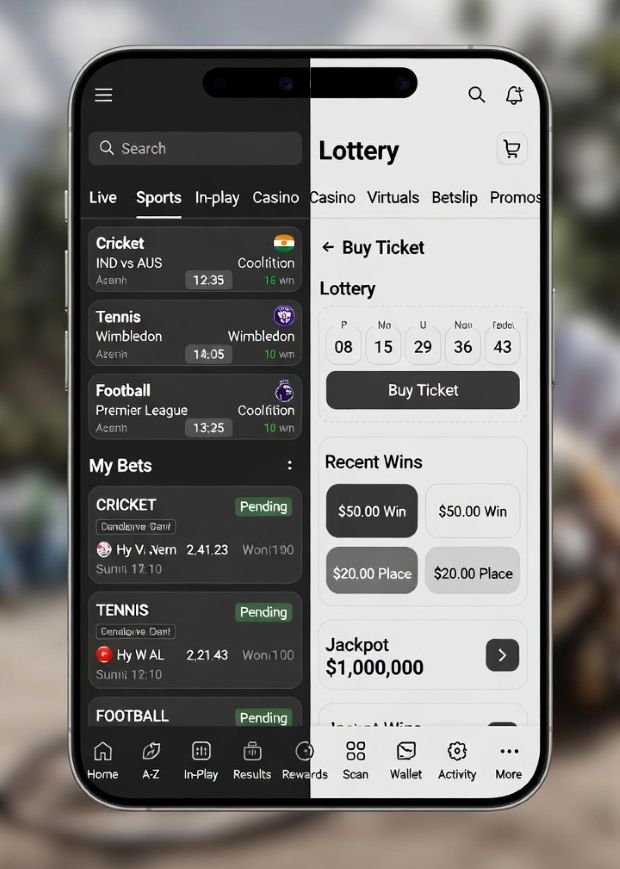


 Millions chase lucky numbers daily in India’s underground betting scene. Satta King 786 stands out as a popular choice among players. Platforms track results and build communities around these games. They turn simple data into full businesses.
 Slot diversification: JILI has added to a larger range of slot games, including those not traditional table games, live casino, and video poker.
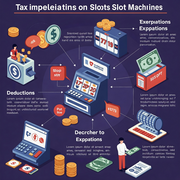 Slot machines are a much-loved pastime for so many, yet it can be easy to overlook the tax consequences of your wins. Whether you’re a casual player or someone with a bankroll large enough to run a gaming operation, understanding the tax laws that apply to your slot machine winnings, even on a trusted slots 2025 (slot terpercaya 2025) is crucial. After all, there’s no reason to be hit with a tax shocker after an already bright and exciting lights kind of day.
 No more manual spreadsheets. Modern casino CMSs simplify inventory management. See machine performance, maintenance, and player preferences at a glance.
 Suppose there were very low betting limits in a casino. The day’s results could be thrown for a loop if a high roller strolls in and bets a huge sum. Risk management is useful in this situation. Businesses can reduce the financial risks linked to excessive wagering and possible fraud by instituting responsible betting limits and conducting behavior analysis on customers.









 Betting used to be seen as a simple activity based on chance. People placed bets, waited for results, and accepted whatever happened. Today, betting works very differently. It has grown into a structured industry that operates like a modern business. Platforms plan carefully, study data, and build systems to support long-term growth. Luck still plays a role, but structure now matters just as much.
 The gambling industry has changed fast over the past decade. What was once limited to physical casinos is now available on mobile phones. Cassino Bet apps have become a major part of this shift. These apps are not only about games. They are also strong business platforms. They use technology, marketing, and data to grow revenue and reach new users.
 Gambling has changed a lot in the past decade. It is no longer limited to casinos or betting shops. Today, betting apps allow people to place wagers using their phones anytime and anywhere. This shift has created a strong connection between business and gambling. What was once a physical industry has now become a digital business model driven by technology, data, and user behavior.

 More than 70% of casino revenue worldwide comes from slot machines. These colorful, flashing games are not just entertainment; they are carefully engineered profit engines. While table games like poker and blackjack get the spotlight, slots quietly bring in steady earnings that keep casinos thriving.
 Sports betting has a way of pulling people into emotional traps. You watch your favorite team, the odds look tempting, and you convince yourself you’ve spotted an edge. But more often than not, those “gut” calls aren’t as sharp as they feel in the moment. That’s where
  If the match is hosted in Indonesia or Japan, the local economy benefits from a surge in tourism. Hotels, restaurants, and transportation services experience noticeable spikes in demand. Football tourism—especially tied to major qualifiers—drives millions in short-term economic activity.
 The Thai government rigorously controls internet gaming. A company’s legal operation depends on acquiring a license. Navigating this difficult process requires working with seasoned legal counsel.
 Baccarat has long been a favorite game among high-stakes players worldwide, especially in luxury casino resorts. Unlike other card games, Baccarat attracts high rollers due to its straightforward gameplay, competitive odds, and the allure of exclusivity that casinos work hard to maintain. High rollers play a crucial role in boosting casino profits. Top casinos have devised strategies to cater specifically to these players, enhancing both their gaming experience and the casino’s revenue.